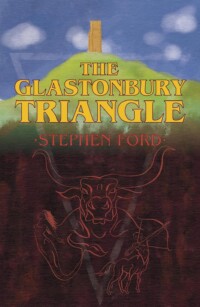
Title: The Glastonbury Triangle
Author: Stephen Ford
Publisher: Cinnamon Press
ISBN: 978-1788648783
Pages: 326
Genre: Fantasy / Science Fiction
Reviewer: Anthony Avina
Pacific Book Review
While the idea of ancient gods and mythological creatures such as minotaurs and mermaids may seem like the stuff of fairy tales and legends to the people of the modern age, the reality of these creature’s existence and what inspired these legends to begin with has always been a matter of debate. The reality is these creatures and the gods who populated cultures such as Greece and ancient druids, and Celtic societies were as real to the people of those eras as the modern day faiths of the world and their creators are to today’s people. Understanding the power these legends have and how they impact society has influenced pop culture and storytelling well into the modern age.
These powerful creatures and ancient beliefs are what drive author Stephen Ford’s The Glastonbury Triangle. The book follows a journalist who begins investigating a series of disappearances surrounding a theme park in England modeled after the legends of King Arthur and other mythological figures. The disappearances include the journalist’s girlfriend, and his investigation leads to some surprising turns, from a female dominated religious commune with a powerful leader, to a mad scientist’s pursuit of bringing ancient legendary creatures to life in the modern age and so much more.
A powerful balance of mythology driven fantasy and sci-fi madness, the narrative the author creates is so unique and creative. The lighthearted and humorous dialogue and character dynamics the protagonist and the cast of characters exude when the novel begins is easily meshed with the darker plot turns and tense buildup of atmosphere the narrative goes into. The vast imagery of the author’s writing style, as well as the maturity of some of the more adult scenes as well, helped elevate this story of legends and fairy tales out of the history books and into the modern age.
For a vast majority of readers, this book speaks to the genres of science -fiction, fantasy, and mythology so perfectly. The story delves into elements of occultism, romance, genetic sci-fi, mad scientist vibes, and even witchcraft, which helped balance out the legends that the story brought to life and the action and pacing of the narrative itself. The larger themes that the book explores, from fanaticism and the power of belief to questions of morality in the face of scientific discovery, and unique takes on gender roles and capitalist greed meshed well with the larger story developments and humorous dialogue that kept readers invested in the overall narrative.